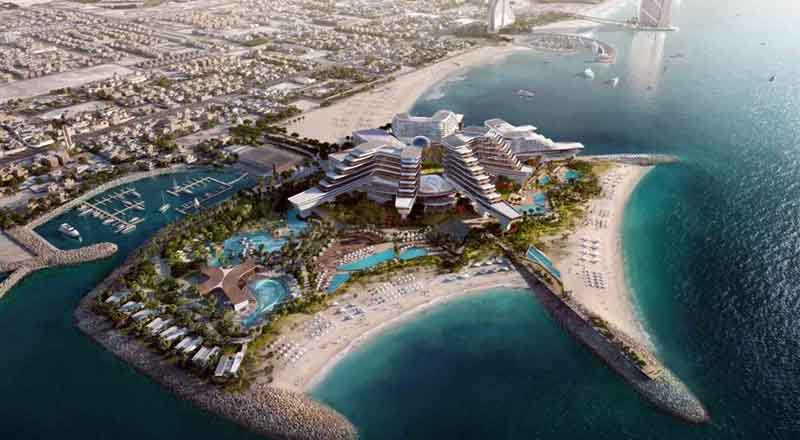
The Absence of Casinos in Dubai: Balancing Modernity and Tradition
Dubai is often hailed as a city of contrasts, where traditional Islamic culture meets futuristic innovation. However, when it comes to gambling, the city maintains a firm stance rooted in its cultural and religious values. Unlike other major global cities, Dubai has no casinos, and gambling is strictly prohibited by law. This article examines the reasons behind Dubai’s ban on casinos, the impact on its tourism industry, and the potential for change in the future.
Legal and Religious Foundations
The prohibition of gambling in Dubai is based on Islamic law, or Sharia, which forms the foundation of the legal system in the United Arab Emirates (UAE). Islamic teachings explicitly forbid gambling, viewing it as a sinful activity that leads to moral and social decay. This religious perspective is reflected in the UAE’s legal framework, where all forms of gambling, including casinos, are illegal.
The UAE government takes this prohibition seriously, with strict penalties for those caught engaging in gambling activities. This applies not only to residents but also to tourists, who might be accustomed to casinos as part of their entertainment options. The country’s commitment to upholding Islamic values is a key reason why casinos have not been introduced in Dubai, despite the city’s reputation for luxury and innovation.
Dubai’s Entertainment Landscape: Beyond Casinos
While Dubai does not have casinos, the city offers a wide range of entertainment options that cater to its diverse, international audience. From luxury shopping malls and fine dining to world-class theme parks and vibrant nightlife, Dubai has established itself as a leading destination for high-end leisure. The city’s iconic landmarks, such as the Burj Khalifa and the Palm Jumeirah, attract millions of visitors each year, making it one of the most popular tourist destinations in the world.
Dubai’s entertainment industry has thrived without the presence of casinos, demonstrating that the city can attract tourists and generate revenue through other means. The focus on family-friendly attractions, cultural experiences, and luxury amenities has helped Dubai maintain its appeal as a global destination, even without the allure of gambling.
The Economic Perspective: What Casinos Could Bring
The global casino industry is a lucrative market, with billions of dollars generated annually from gambling activities. Proponents of introducing casinos in Dubai argue that it could provide a significant boost to the city’s economy. Casinos could attract high-net-worth individuals and international tourists, further solidifying Dubai’s status as a global luxury destination.
In addition to tourism revenue, the introduction of casinos could create jobs and stimulate growth in related sectors such as hospitality, entertainment, and real estate. The potential economic benefits are particularly relevant in the context of Dubai’s efforts to diversify its economy and reduce its reliance on oil revenues.
However, the economic argument for casinos must be weighed against the potential social and cultural costs. The introduction of gambling could lead to problems such as addiction, financial hardship, and crime, which could undermine the social fabric of the city. These concerns are central to the debate over whether Dubai should consider allowing casinos in the future.
Global Trends: Shifts in the Gambling Industry
The global gambling industry has seen significant changes in recent years, with several countries and regions revisiting their stance on casinos. Japan, for example, has recently legalized casinos as part of integrated resort developments, while Singapore’s Marina Bay Sands has become one of the most successful casino resorts in the world. These developments have led to speculation about whether Dubai might follow a similar path.
In 2022, the UAE made headlines with its announcement of a federal framework for regulating commercial gaming in specific areas, primarily in the northern emirates. While this move did not directly impact Dubai, it signaled a potential shift in the country’s approach to gambling. Some industry observers believe that this could pave the way for future discussions about the possibility of introducing casinos in Dubai.
Cultural and Social Considerations
The decision to allow casinos in Dubai would have far-reaching cultural and social implications. Dubai is a city that prides itself on its cultural heritage and adherence to Islamic values. Introducing casinos could be seen as a departure from these values, potentially leading to a backlash from conservative segments of the population.
Furthermore, the social risks associated with gambling cannot be ignored. Addiction, financial ruin, and increased crime are common concerns in regions where casinos operate. Dubai’s government would need to carefully consider these factors before making any decisions about legalizing gambling.
Conclusion: Tradition vs. Modernity
Dubai stands at the crossroads of tradition and modernity. While the city has embraced innovation and global influence, it has also remained steadfast in its commitment to Islamic values. The absence of casinos in Dubai reflects this balance, as the city continues to thrive as a luxury destination without compromising its cultural and religious principles. Whether this will change in the future remains to be seen, but for now, Dubai’s entertainment landscape remains casino-free, offering a unique blend of tradition and modernity.
