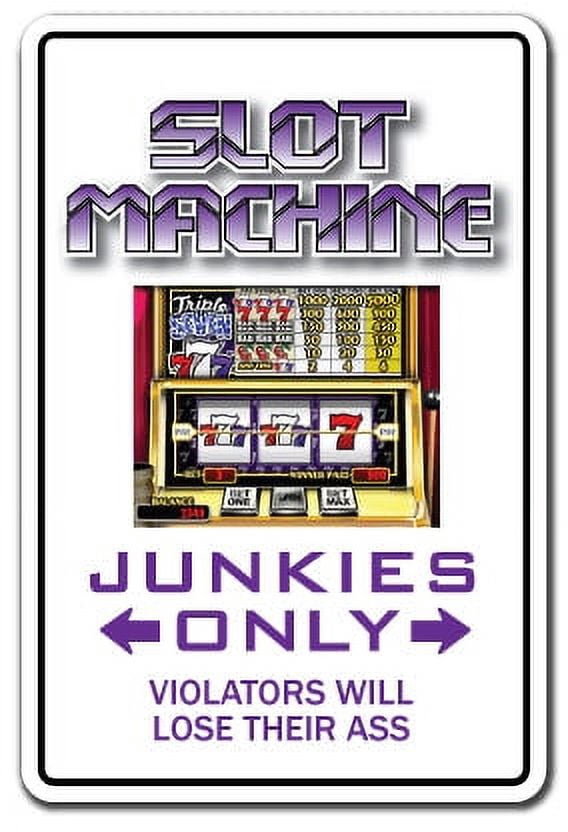
Slot Games: Jackpot or Junkie?
Introduction
Ever felt that magnetic pull towards the flashing lights and spinning reels of a slot machine? The promise of instant riches, the thrill of the chase – it’s undeniably seductive. But is that allure masking a potential problem? Are slot games a harmless bit of fun, or a slippery slope towards something more sinister? Let’s pull back the lever and take a closer look, weighing the potential jackpot against the potential for a junkie’s spiral.
We’re not here to demonize slot games entirely. For many, they’re a perfectly acceptable form of entertainment, a way to unwind and potentially win a little extra cash. But the reality is that slot games, with their carefully engineered mechanics, are designed to be highly addictive. Understanding this, and understanding the potential impact – both short-term and long-term – is crucial to ensuring you’re playing responsibly, and not letting the game play you.
The Short-Term Buzz, The Long-Term Burn:
The short-term appeal is obvious: instant gratification. The rapid-fire action, the near-misses that keep you hooked, and the potential for a quick win create a dopamine rush that’s hard to resist. You might start with a small budget, intending to play for an hour or two. But the wins, however small, fuel the desire to keep playing, to chase that bigger win, that life-changing jackpot.
The problem is, slot games are designed to bleed you dry over time. The house always has an edge, and statistically, you’re more likely to lose than win. This is where the long-term impact starts to creep in.
Think about Sarah. She started playing slots occasionally, a fun diversion on her weekends. Initially, she set strict limits and stuck to them. But as time went on, those limits started to blur. She’d justify exceeding her budget with phrases like, “I almost won that last one,” or “Just one more spin.” Soon, she was chasing her losses, spending more time and money than she ever intended.
Sarah’s story isn’t unique. The long-term consequences of uncontrolled slot play can be devastating:
- Financial Ruin: Debt accumulates quickly as players chase losses, potentially leading to damaged credit scores, bankruptcy, and even the loss of homes.
- Relationship Strain: Gambling addiction can put immense stress on relationships with family and friends, leading to arguments, mistrust, and ultimately, broken bonds.
- Mental Health Issues: Gambling addiction is often linked to anxiety, depression, and other mental health problems. The constant stress of financial instability and relationship problems can exacerbate these issues.
- Neglect of Responsibilities: An addiction to slot games can lead to neglect of work, family obligations, and personal well-being.
Breaking the Cycle: Practical Solutions for Responsible Play
Okay, so we’ve painted a potentially bleak picture. But remember, awareness is the first step to prevention and recovery. The good news is that there are practical, actionable steps you can take to ensure slot games remain a source of entertainment, not a source of destruction.
Here are several alternative solutions, allowing you to choose the approach that best fits your circumstances:
1. The Budget Boss:
- Set Clear Limits: Before you even think about spinning those reels, decide on a strict budget for your session. And this isn’t just a mental note – write it down, use an app, tell a friend. Whatever works to make it concrete.
- Time Tracking: Just like money, time is a valuable resource. Set a timer for your gaming session. When the timer goes off, stop playing, regardless of whether you’re winning or losing.
- Cash Only: Leave your credit cards at home. Using cash makes you more aware of how much you’re spending, as opposed to the abstract notion of swiping a card.
Example: John, a regular slot player, implemented the “Budget Boss” strategy. He allocated a specific amount of cash each week for entertainment, including slot games. He set a timer and never exceeded his budget or playing time. This helped him enjoy the games without risking his financial stability.
2. The Reality Check Warrior:
- Understand the Odds: Remember, slot games are designed for the house to win. Educate yourself about the return-to-player (RTP) percentages of different games. This knowledge helps you approach the games with a realistic perspective.
- Recognize Cognitive Distortions: Be aware of common gambling fallacies, such as “I’m due for a win” or “I almost won, so I should keep playing.” These are tricks your mind plays to justify continuing to gamble.
- Practice Mindfulness: Before each spin, take a moment to pause and ask yourself why you’re playing. Are you genuinely enjoying the game, or are you chasing a feeling or trying to recoup losses?
Example: Maria used to get caught up in the excitement of slot games, often believing she was “on a winning streak.” By learning about RTP and common gambling fallacies, she realized she was simply experiencing the random fluctuations of the game. This helped her make more rational decisions about when to stop playing.
3. The Support System Seeker:
- Talk to Someone: Don’t be afraid to talk to a trusted friend, family member, or therapist about your gambling habits. Sharing your concerns can provide valuable support and accountability.
- Join a Support Group: Organizations like Gamblers Anonymous offer a safe and supportive environment for people struggling with gambling addiction.
- Seek Professional Help: If you feel your gambling is spiraling out of control, consider seeking professional help from a therapist or counselor specializing in addiction.
Example: After realizing his slot game habit was affecting his relationships, David confided in his brother. His brother provided support and encouraged him to seek therapy. With professional guidance, David was able to address the underlying issues driving his gambling and develop healthier coping mechanisms.
4. The Alternative Activity Advocate:
- Find New Hobbies: Replace your time spent playing slot games with other enjoyable activities, such as sports, hobbies, or spending time with loved ones.
- Engage in Relaxation Techniques: Practice relaxation techniques like meditation, yoga, or deep breathing to manage stress and anxiety without resorting to gambling.
- Set New Goals: Focus on achieving personal or professional goals to give your life a sense of purpose and fulfillment that doesn’t depend on winning at slot games.
Example: Lisa realized she was turning to slot games out of boredom. She decided to join a local hiking group and discovered a love for the outdoors. Hiking provided a healthy and engaging alternative to gambling, improving her physical and mental well-being.
Take Control, Reclaim Your Life
Ultimately, the decision of whether slot games are a jackpot or a junkie lies with you. By understanding the risks, setting clear boundaries, and seeking support when needed, you can enjoy the games responsibly and avoid the potential pitfalls of addiction.
Remember, you are not alone. Millions of people struggle with gambling addiction, and there are resources available to help. Take the first step today. Whether it’s setting a budget, talking to a friend, or seeking professional help, every action you take is a step towards a healthier and happier life.
The power is in your hands. Choose wisely. Choose control. Choose a future where you are the master of your own destiny, not a slave to the spinning reels. You’ve got this!
