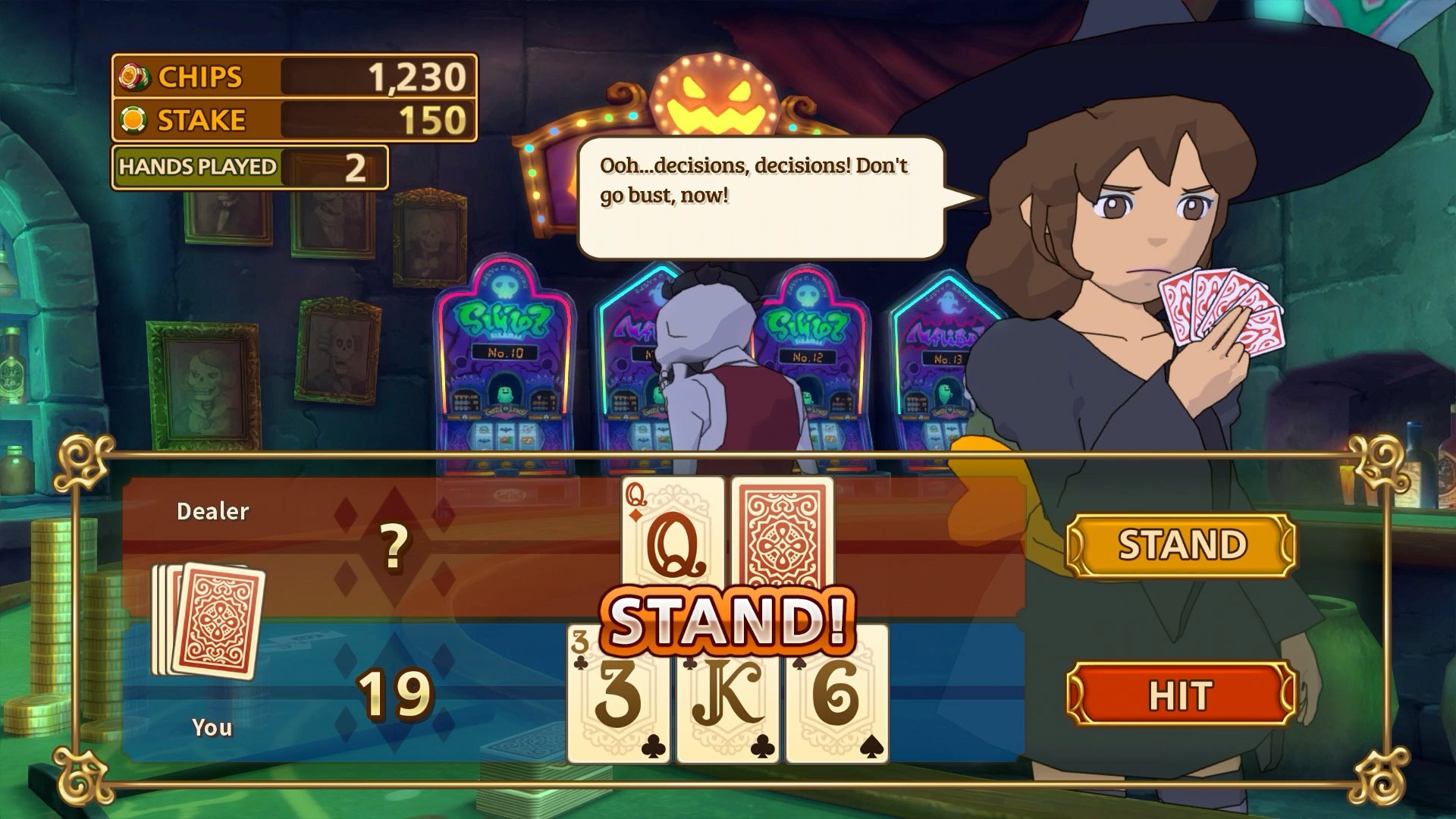
Casino Games: Risk It All, Win It All. Or… Maybe Not?
Introduction
The flashing lights, the clattering chips, the exhilarating tension in the air – that’s the seductive allure of the casino. The promise of a quick win, a life-changing jackpot, a night of unadulterated fun. Casino games, from the whirring roulette wheel to the strategic poker table, offer a potent cocktail of risk and reward that has captivated people for centuries. But beyond the surface glitz and glam, lies a complex landscape of probability, psychology, and potential consequences.
We’ve all heard the stories. The lucky guy who turned a few dollars into a small fortune at the blackjack table. The woman who hit the progressive jackpot on the slots and paid off her mortgage. These narratives fuel the dream, whispering promises of instant wealth. But what about the flip side? What about the stories we *don’t* hear as often, the tales of mounting debt, strained relationships, and the slow creep of addiction?
This article isn’t about demonizing casinos or judging those who enjoy them. Instead, it’s about peeling back the layers of excitement and understanding the true nature of casino games – the short-term highs, the long-term pitfalls, and how to navigate this world responsibly. Because let’s face it, knowledge is power, and understanding the odds can significantly impact your experience.
The Short-Term Thrill vs. the Long-Term Reality:
In the short term, casino games can be a blast. The adrenaline rush of placing a bet, the anticipation of the outcome, the momentary euphoria of a win – these experiences can be incredibly compelling. This is especially true for games like slots, where the action is fast-paced and the wins, however small, are frequent. These small wins trigger the release of dopamine in the brain, reinforcing the behavior and creating a sense of excitement.
However, the long-term reality is often far less glamorous. Casino games are designed with a built-in house edge. This means that, statistically, the casino is always more likely to win than the player, over the long haul. This isn’t a conspiracy; it’s simply how casinos stay in business.
Think of it like this: Imagine flipping a coin. If you win every time it lands on heads, and lose every time it lands on tails, you’d expect to win about half the time. Now, imagine the coin is weighted, so it lands on tails 55% of the time. You might win a few times initially, but eventually, the odds will catch up, and you’ll lose more often than you win. That’s essentially how the house edge works in casino games.
The long-term impact of ignoring this fundamental truth can be significant. From depleting savings to accumulating debt, the financial consequences can be devastating. But the damage isn’t always purely financial. Excessive gambling can lead to strained relationships with family and friends, feelings of guilt and shame, and even depression and anxiety.
Taking Control: Strategies for Responsible Gaming
So, how can you enjoy the thrill of casino games without falling into the trap of chasing losses and risking your financial well-being? Here are some practical solutions:
- Set a Budget and Stick to It:
This is the golden rule of responsible gambling. Before you even step foot in a casino or log onto an online gaming site, decide how much money you’re willing to spend – and, crucially, willing to lose. Treat this money as entertainment expenses, just like going to a concert or a movie. Once you’ve reached your limit, stop playing, even if you’re on a winning streak. The temptation to keep going and win even more can be overwhelming, but it’s crucial to resist.
Example: Let’s say you decide to allocate $100 for an evening at the casino. Once you’ve spent that $100, consider the night over, regardless of whether you’ve won or lost.
- Understand the Odds:
Educate yourself about the odds of different casino games. Games like blackjack and poker, which involve skill and strategy, generally have lower house edges than games like slots and roulette, which are based purely on luck. Knowing the odds can help you make more informed decisions about which games to play and how much to bet.
Example: Blackjack, when played with optimal strategy, can have a house edge of less than 1%. Slots, on the other hand, often have house edges ranging from 5% to 10% or even higher.
- Avoid Chasing Losses:
This is perhaps the most dangerous trap of all. When you’re losing, it’s tempting to try and win back your money by betting even more. This is a recipe for disaster. Chasing losses often leads to impulsive decisions and even greater financial losses. Instead of trying to recoup your losses, accept them as part of the game and walk away.
- Take Breaks and Set Time Limits:
Gambling can be incredibly absorbing, and it’s easy to lose track of time when you’re in the zone. Set time limits for your gambling sessions and take regular breaks. Get up, stretch, grab a drink, and clear your head. This will help you stay focused and avoid making impulsive decisions.
- Seek Support When Needed:
If you find yourself struggling to control your gambling habits, don’t hesitate to seek help. There are many resources available, including support groups, counseling services, and online resources. Recognizing that you have a problem is the first step towards recovery.
Alternative Approaches:
- Self-Exclusion Programs: Many casinos and online gaming sites offer self-exclusion programs that allow you to ban yourself from their services. This can be a useful tool for individuals who are struggling with compulsive gambling.
- Therapy: Cognitive Behavioral Therapy (CBT) can be an effective treatment for problem gambling. CBT helps individuals identify and change the thoughts and behaviors that contribute to their gambling habits.
- Financial Counseling: If you’ve accumulated debt due to gambling, consider seeking financial counseling. A financial counselor can help you create a budget, manage your debt, and develop a plan to get back on track.
Case Study: John’s Story
John, a 45-year-old accountant, started gambling occasionally as a way to unwind after a stressful day at work. Initially, it was just a bit of harmless fun, but over time, it became a habit. He started spending more and more time at the casino, chasing losses and neglecting his family. Eventually, he accumulated a significant amount of debt and his marriage began to suffer.
Realizing he had a problem, John sought help from a therapist who specialized in addiction. Through therapy, he was able to identify the underlying reasons for his gambling and develop strategies for managing his impulses. He also enrolled in a self-exclusion program at the local casino.
It wasn’t an easy journey, but with support and determination, John was able to overcome his gambling addiction and rebuild his life. He learned the importance of setting boundaries, managing his finances, and prioritizing his relationships.
Conclusion: Enjoy the Game, Respect the Odds
Casino games can be a source of entertainment and excitement, but it’s crucial to approach them with caution and awareness. By understanding the odds, setting boundaries, and seeking help when needed, you can enjoy the thrill of the game without risking your financial well-being and your personal relationships.
Remember, the key is to gamble responsibly and to treat casino games as what they are: a form of entertainment, not a path to riches. So, go ahead and enjoy the flashing lights and the clattering chips, but always keep in mind the long-term consequences of your choices. With a little knowledge and a lot of self-control, you can navigate the world of casino games safely and responsibly, and perhaps even come out a winner – in more ways than one. The power to choose is always yours. Use it wisely and good luck!
